

AI is shaping SEO in ways we couldn’t have imagined a few years ago. From content creation to search engine ranking factors, AI is now a key player.
Search engines like Google use AI-driven algorithms to understand user intent and deliver the most relevant results. Businesses use AI-powered tools to generate content, optimise keywords, and analyse user behaviour.
AI is making SEO faster, more precise, and more data-driven. But, like any technology, it has limits and risks that need managing.
How AI is Changing SEO Today
AI’s role in SEO is expanding quickly. AI-powered search engines now prioritise intent-based searches, analysing user behaviour and predicting future queries.
This shift means businesses need to create content that aligns with user needs, not just target keywords. AI can automate various aspects of SEO, such as topic research, content generation, and on-page optimisation.
However, search engines continue to refine their algorithms to distinguish quality AI-assisted content from low-value automated text.
Google’s Stance on AI-Generated Content
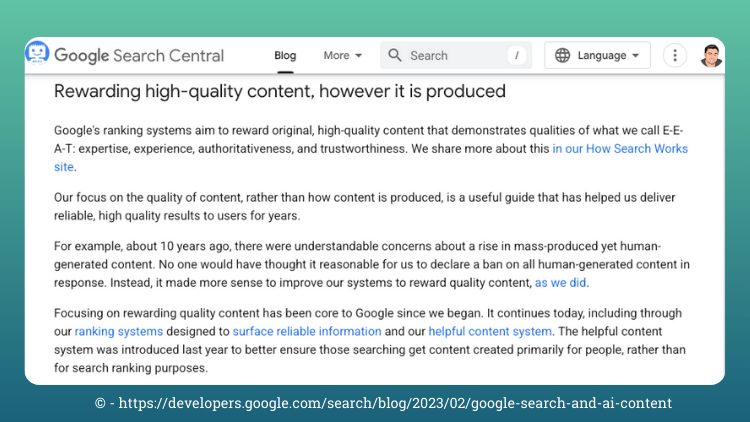
Google still has over 90% of the search market in Ireland and I focus on what Google values most—high-quality, people-first content. Google doesn’t punish AI-generated content just because it’s made by AI. Instead, its focus is on the usefulness, originality, and trustworthiness of what’s published.
Whether content is written by a person, an AI, or a mix of both, the key to ranking well is meeting Google’s E-E-A-T standards—Expertise, Experience, Authoritativeness, and Trust. If AI helps create valuable content, that’s fine. But if it lacks depth or feels automated, Google will detect it.
My personal thoughts are that websites who scale and unusual rates will likely trigger investigation.
AI can be a useful tool for research, drafting, or structuring content, but it’s not a replacement for human insight. Google’s algorithms have become more advanced at recognising low-quality AI content that lacks originality.
Simply churning out AI-generated text without editing or adding real expertise won’t help rankings. Google’s guidance is clear: content must be written for people, not just search engines. If an article doesn’t provide real value, it won’t perform well—no matter how well AI phrases it.
Some websites have tried publishing large amounts of AI-generated content without human oversight, hoping to rank quickly. Google has responded by devaluing low-quality AI content, especially when it’s repetitive or lacks unique insights. However, AI-assisted content that is edited, fact-checked, and improved by a human expert can still perform well. The difference comes down to whether the content is genuinely helpful or just produced for SEO.
Does AI Affect SEO?
Yes, AI has a significant impact on SEO, transforming how content is created, optimised, and ranked. AI-driven tools assist with keyword research, content generation, and technical SEO, helping businesses streamline their digital strategies. Platforms like ChatGPT, Jasper, and Copy.ai generate keyword-rich content quickly, while AI-powered tools like Clearscope and SurferSEO analyse search intent to improve optimisation.
However, AI also brings risks. Search engines, particularly Google, prioritise content that is helpful, original, and people-first. While AI can assist in writing, over-reliance on automated content can lead to thin, repetitive, or generic material that fails to meet Google’s E-E-A-T standards—Expertise, Experience, Authoritativeness, and Trust. Google’s algorithms can detect low-value AI-generated content, making human oversight and editing essential for maintaining rankings.
Beyond content, AI is also reshaping search algorithms. Google’s Search Generative Experience (SGE) is an example of AI integration, changing how search results are displayed by offering AI-generated answers directly within search pages.
This shift means businesses must focus on creating authoritative, well-structured, and informative content to remain competitive. Traditional SEO tactics like keyword stuffing or mass AI content production are becoming less effective.
To succeed in AI-driven search, content should balance efficiency with depth. AI can enhance research, automate repetitive tasks, and improve content structure, but human input is still necessary to add unique insights, personality, and credibility. The best SEO strategies leverage AI as a tool rather than a shortcut, ensuring that content remains valuable and aligns with search engine best practices.
Should You Use AI for SEO?
AI can be useful for SEO, but it should be a tool, not a replacement. AI can help with:
- Generating ideas and drafts
Content Outlines - Improving keyword research
- Automating metadata and headings
- Analysing competitors and ranking factors
However, it shouldn’t replace human creativity. Google still values unique insights, storytelling, and authentic human perspectives. Relying too much on AI without proper editing or input can lead to generic, impersonal content that doesn’t connect with readers.
Dos and Don’ts for AI Content and SEO
AI is a powerful tool for content creation, but using it the wrong way can hurt search rankings. Search engines, especially Google, focus on quality, relevance, and originality. While AI can speed up research and writing, content still needs human input to make it useful and engaging.
Following the right approach ensures AI enhances SEO rather than working against it. AI can help with content structure, topic research, and optimisation, but relying on it too much can lead to generic, low-value content that search engines overlook. Sticking to best practices helps maintain strong rankings and keeps content informative, readable, and valuable to users.
Here’s some of the dos and don’ts:
Dos:
- Use AI to assist research and content planning.
- Edit AI-generated content to add value and originality.
- Focus on user intent and search relevance.
- Ensure content meets Google’s E-E-A-T guidelines.
- Use AI tools for internal linking and structure improvement.
Don’ts:
- Copy and paste AI-generated text without edits.
- Overuse AI to churn out content with no unique input.
- Ignore grammar, readability, and engagement.
- Produce content that lacks depth or expertise.
- Use AI purely for keyword stuffing.
- If you’re struggling to understand if you should use AI for your SEO you should speak with an SEO Consultant to help you weight up the risks and benefits.
Can Your Site Be Penalised for Using AI-Generated Content?
Google does not penalise websites simply for using AI-generated content. However, content that is low-quality, repetitive, or lacks originality may struggle to rank well. Google’s algorithms are designed to prioritise useful, well-written, and engaging content, regardless of whether it’s created by AI or a human.
If AI-generated content is published without editing or quality control, it can trigger ranking drops. Search engines detect patterns in spammy, thin, or unhelpful content, which may lead to devaluation rather than an outright penalty.
The best approach is to review, refine, and enhance AI-generated content before publishing.
Adding human insight, factual accuracy, and depth ensures the content meets search engine standards and provides real value to users.
Do AI Detectors Work?
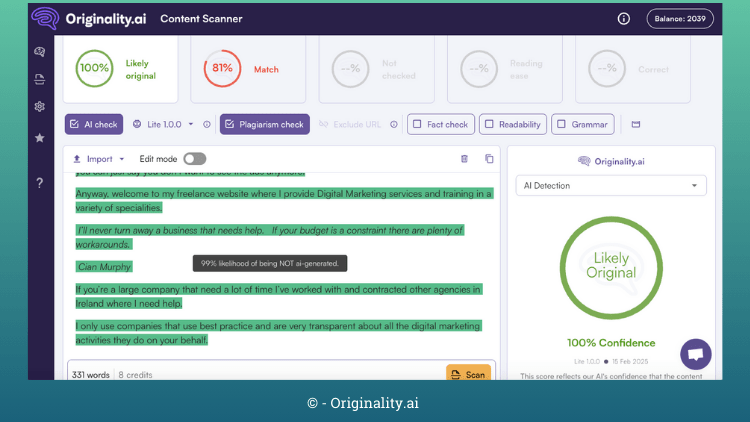
AI detectors exist, but they’re not perfect. Some AI-generated content can bypass detection tools, while some human-written content may be flagged incorrectly. Tools like GPTZero and Originality.ai claim to detect AI-generated text, but their accuracy varies. The best approach is to ensure your content is human-like, valuable, and well-edited rather than relying on detection tools.
Best Practices for Using AI in SEO
Using AI effectively in SEO requires the right approach. Here are some essential best practices:
- Humanise AI Content: Add personal insights, case studies, and local examples.
- Choose the Right LLM for Your Business: Selecting the right Large Language Model (LLM) can improve content accuracy and relevance. Popular LLMs include:
- ChatGPT (OpenAI): Great for general content generation, chatbots, and idea brainstorming.
- Claude (Anthropic): Focuses on safer, conversational AI responses with ethical considerations.
- Gemini (Google DeepMind): Offers deep integration with Google’s search-based AI tools.
- LLaMA (Meta): A powerful open-source LLM, useful for businesses with custom AI needs.
- Mistral AI: Optimised for efficiency and performance in multilingual content creation.
- Use AI as a Support Tool: Let AI help with research, structure, and efficiency, but always add your expertise and voice.
- Avoid AI Overload: Too much AI can dilute your brand’s identity. Keep a human touch in all your content.
- Monitor Performance: Regularly analyse AI-assisted content for performance metrics to ensure engagement and ranking improvements.
Humanising AI Content for Better Engagement
AI-generated content can sometimes feel robotic, lacking the natural flow and depth that keep readers engaged. While AI tools like ChatGPT, Jasper, and Copy.ai can speed up content creation, they don’t always capture the nuances of human experience, tone, or storytelling. To make AI-assisted content more engaging, it’s essential to add personal insights, real-world examples, and relatable experiences.
Ways to Humanise AI Content:
- Inject Personal Experience – Share insights from industry expertise, customer interactions, or first-hand knowledge. Instead of generic statements, add practical tips and lessons learned to make content feel more authentic.
- Use Case Studies and Examples – AI-generated text can be vague, so grounding it with real-life examples, testimonials, or case studies makes it more valuable. For example, instead of “AI helps with SEO,” share a case where AI-powered keyword research improved a site’s traffic.
- Improve Tone and Readability – AI often produces stiff or repetitive text. Tools like Grammarly, Hemingway Editor, and QuillBot help refine tone, improve flow, and enhance readability.
- Fact-Check and Verify Originality – AI content can sometimes produce errors or unintentionally mimic existing content. Originality.AI helps detect plagiarism and ensures AI-generated text remains unique and compliant with search engine standards.
- Incorporate Human Writing and Editing – AI can assist with drafts, but manual editing is crucial. Adjusting sentence structure, rewriting awkward phrases, and adding a conversational tone make the content more engaging.
Google prioritises content that reflects authentic experience, expertise, and originality. By combining AI efficiency with human creativity and insight, content becomes more compelling, informative, and trustworthy—leading to better engagement and stronger SEO performance.
Choosing the Right AI Model for Your Business
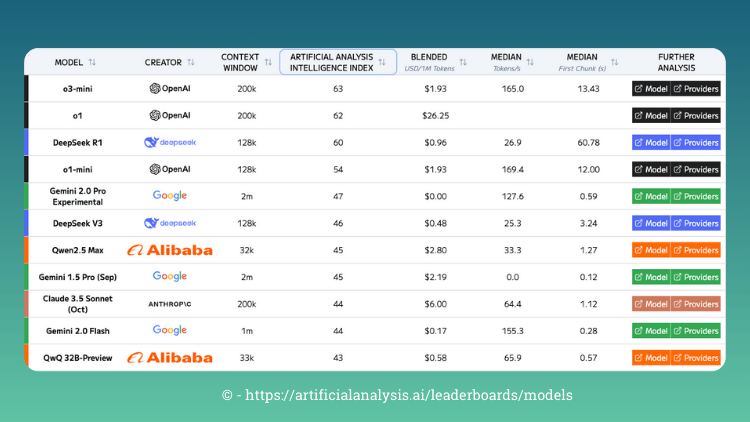
AI models vary in their capabilities, and selecting the right one can impact the quality and effectiveness of your content. Some models are designed for technical accuracy, while others produce more conversational, engaging text. Understanding the strengths of different AI tools helps businesses create content that aligns with their industry and audience.
Key Factors to Consider:
- Industry Needs – Technical fields like finance, healthcare, and legal services require AI models that prioritise accuracy and compliance, such as Claude (Anthropic) or GPT-4 with strict fact-checking. For marketing, social media, and creative content, models like Jasper or Copy.ai offer more flexibility.
- Tone and Style – If your business needs formal, structured writing, models trained on technical documentation work best. For a casual, conversational tone, AI tools like ChatGPT can generate more engaging, reader-friendly content.
- Multilingual and Localised Content – Businesses targeting global audiences may need AI models that support multiple languages, such as DeepL Write for translation and content adaptation.
- SEO and Content Optimisation – AI tools like SurferSEO and Clearscope integrate AI-driven writing with keyword optimisation, helping businesses create content that ranks well on search engines.
- Plagiarism and Originality – AI-generated text should be unique and free of duplication. Tools like Originality.AI and Copyscape help ensure content is original and compliant with Google’s guidelines.
Choosing the right AI model isn’t just about automation—it’s about enhancing quality, improving efficiency, and ensuring content meets industry standards. By aligning AI tools with business goals and audience expectations, companies can create more effective, tailored content.
AI and Creativity: Striking the Right Balance
AI is a powerful tool, but it should enhance creativity, not replace it. Businesses that rely solely on AI-generated content risk producing generic material that lacks originality and fails to connect with audiences. While AI can generate ideas, assist with writing, and streamline content creation, true engagement comes from human insight, storytelling, and unique perspectives.
Using AI as a brainstorming partner rather than a content factory leads to stronger, more authentic material. AI can help refine ideas, suggest variations, and improve efficiency, but human creativity is what gives content depth and personality. Editing for tone and style ensures AI-generated text aligns with a brand’s voice, while personal experience and real-world knowledge make the content more engaging.
Over-automation can dilute a brand’s identity, making content feel repetitive and impersonal. Google and other search engines prioritise well-crafted, high-value content over mass-produced AI text. The best results come when AI is used strategically—supporting the creative process rather than dictating it. Businesses that find this balance will produce content that resonates with their audience, builds trust, and strengthens SEO performance.
The Future of AI and SEO – Navigating AI Overviews in Search Results
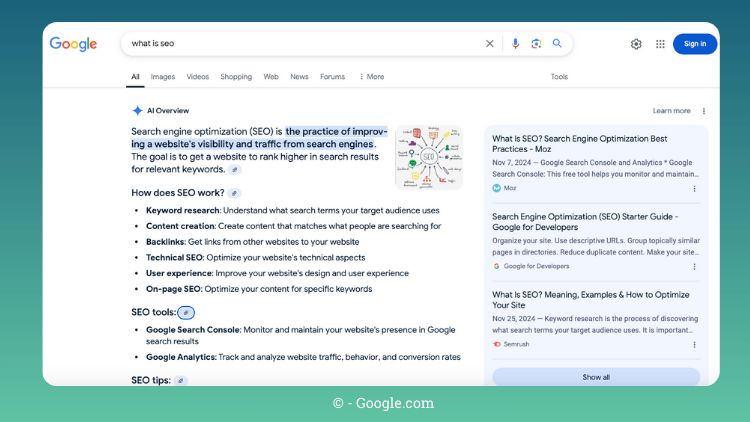
Artificial Intelligence (AI) is significantly transforming Search Engine Optimization (SEO), particularly with the advent of AI Overviews (AIOs) in search results. AIOs are concise summaries generated by AI, appearing at the top of search engine results pages (SERPs) to provide users with immediate answers to their queries. This development is reshaping how content is ranked and displayed, making it imperative for businesses to adapt their SEO strategies accordingly.
Understanding AI Overviews (AIOs)
AIOs are designed to enhance user experience by delivering quick, relevant information directly within the search interface. These overviews synthesize content from various high-authority sources to present a comprehensive answer to the user’s query. For instance, Google’s AI models generate these summaries by extracting pertinent information from top-ranking web pages, aiming to provide users with immediate value without requiring them to navigate through multiple sites.
Implications for SEO
The integration of AIOs into SERPs has several implications for SEO:
- Visibility Challenges: With AIOs occupying prime real estate at the top of SERPs, traditional organic listings are pushed further down, potentially reducing click-through rates (CTR) for those result.
- Content Optimisation: To be featured in AIOs, content must not only rank high organically but also be structured in a way that AI can easily interpret and extract concise answers.
- Authority and Trustworthiness: Search engines prioritise content from sources that demonstrate expertise and reliability. Ensuring your content meets these criteria increases the likelihood of being included in AIOs.
- Content Mediums outside of Text – Use images, videos and statistical graphs to stand out from your competitors.
Strategies to Adapt
To navigate the evolving landscape shaped by AIOs, consider the following strategies:
- Focus on High-Quality Content – Create comprehensive, well-researched content that addresses common user queries in your industry. This increases the chances of your content being sourced for AIOs.
- Implement Structured Data – Utilize schema markup to help search engines understand the context of your content, making it more likely to be featured in AIOs.
- Monitor SERP Changes – Stay informed about updates in search engine algorithms and AIO implementations to adjust your SEO strategies proactively.
How are we standing out in the World of AI content?
I feel it’s evident that the fusion of AI technology with human creativity has been pivotal in navigating the evolving digital landscape. While AI tools have streamlined processes like keyword research and data analysis, the heart of our success lies in the personal touch we bring to each project.
Collaborating closely with clients, understanding their unique challenges, and tailoring strategies that resonate with their specific audiences have been the cornerstones of our approach. This commitment to authenticity and excellence has not only enhanced our clients’ online presence but also fostered meaningful connections in an increasingly competitive market.
As we look ahead, embracing innovation while staying true to our core values will continue to guide us in delivering impactful digital marketing solutions.